A logo on a polo is straightforward. A logo on a waterproof jacket, a cap and a performance base layer is three different jobs with three different answers - and one of them will leak if you get it wrong.
Embroidery, print or badge?
| Technique | Best on | Strengths | Limits |
|---|---|---|---|
| Embroidery | Piqué polos, midlayers, sweaters, caps, towels, bags | Durable, premium look, survives hundreds of washes | Fine detail and small text do not reproduce; adds stiffness |
| Print / heat transfer | Performance jersey, base layers, technical shells | Full colour, gradients, no needle holes, very light | Wears with time; needs the right fabric and temperature |
| Woven or silicone badge | Waterproofs, caps, bags | Sharp detail, applied without piercing a membrane | Set-up per design, looks applied rather than integrated |
What we need from you
- Vector artwork - .ai, .eps or a vector .pdf. This is the ideal, because it scales cleanly to any size.
- Failing that, the largest bitmap you have, at 300 dpi at final size, on a transparent or plain background. A logo pulled off a website at 400 pixels wide is not usable.
- Colour references - Pantone numbers if your club or company has them. Thread charts are matched to Pantone, not to what a screen displays.
The artwork is digitised once into a stitch file. That file is kept for repeat orders, so a second run next season matches the first exactly and does not pay the set-up again.
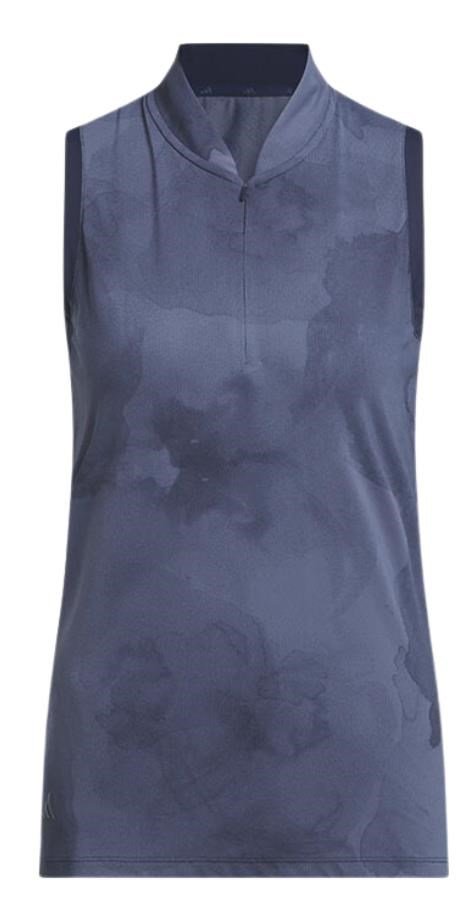
Detail: what stitching can and cannot do
A needle and thread has a resolution limit. Practical rules that save a lot of disappointment:
- Lettering below about 5 mm in height will not read cleanly. If your crest has a founding date and a motto in a ring, expect to drop one of them.
- Gradients and photographic effects cannot be stitched. They get simplified into flat colours.
- Four to six thread colours is a sensible ceiling. More is possible and pushes both stitch count and cost up.
- Thin outlines merge. A hairline around a shape usually has to be thickened or removed.
If your logo is complex, the usual solution is a simplified embroidery version alongside the full one for print. It is worth having in the club's files permanently.
Standard placements and sizes
| Position | Typical size | Note |
|---|---|---|
| Left chest | 7-9 cm wide | The default for polos and midlayers |
| Right chest | 7-9 cm wide | Used for a sponsor when the club crest is on the left |
| Sleeve | 5-7 cm wide | Sponsor or secondary logo |
| Nape of the neck | 4-6 cm wide | Discreet, popular on midlayers |
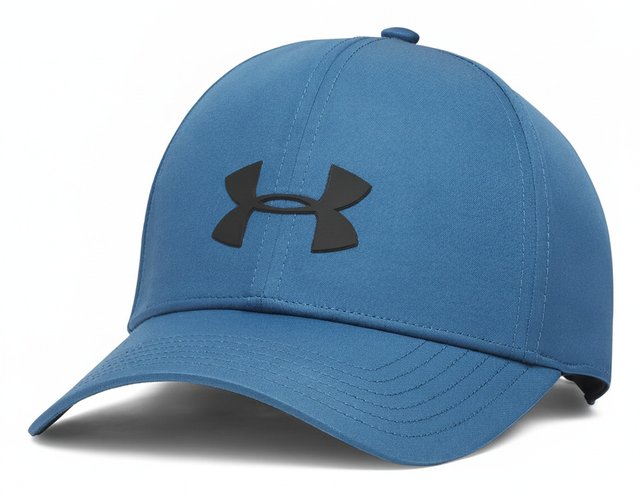
| Cap front | Up to about 5 cm high | Structured fronts stitch far better than soft ones |
| Towels and headcovers | 10-15 cm wide | Terry towelling needs a topping to stop stitches sinking |
Beyond clothing
The same logo works across a surprising amount of kit, which is what makes a company day or a club anniversary look properly organised:
- Balls - printed with a club crest, a name or a company logo. Also the simplest way to identify your ball under the rules.
- Towels, headcovers and ball markers - the usual prize table.
- Bags and travel covers - embroidery on a bag panel is possible on many models; ask before ordering, as it depends on the construction.
- Tees and divot tools - printed or engraved, and the cheapest per-head item for a large field.
Timing and cost structure
Decoration is usually priced as a one-off set-up per logo plus a per-piece charge, with the per-piece rate falling as quantity rises. Small runs are entirely possible; they are just less efficient per garment. Allow six to eight weeks from artwork to delivery for a full club order, less for a handful of items.
What to take away
- Embroidery for polos, midlayers and caps; print or a badge for technical fabrics and waterproofs.
- Send vector artwork and a Pantone reference - it is digitised once and reused.
- Text under 5 mm does not stitch legibly; simplify the crest rather than shrink it.
- Never put a needle through a waterproof membrane.
Start with polo shirts and hats and caps, add prizes from accessories, and send us the artwork with your list.