Two dozen balls on a shelf look identical. What separates them is three or four millimetres of cover material and how many layers sit underneath it - and that decides whether the ball checks on a green or releases past the flag.
How a ball is built
- Core. Rubber or a synthetic compound. It sets initial ball speed and compression, which is to say most of your distance.
- Mantle layers. The intermediate layers in a three-piece and up. They let the designer separate driver spin from wedge spin - low off the big stick, high off a short club.
- Cover. Ionomer, usually branded Surlyn, or urethane. This is where the ball is really decided: urethane grabs the grooves, ionomer does not.
- Dimples. Between roughly 300 and 400 of them, arranged to cut drag and generate lift. Pattern and depth shape the trajectory and how the ball behaves in wind.
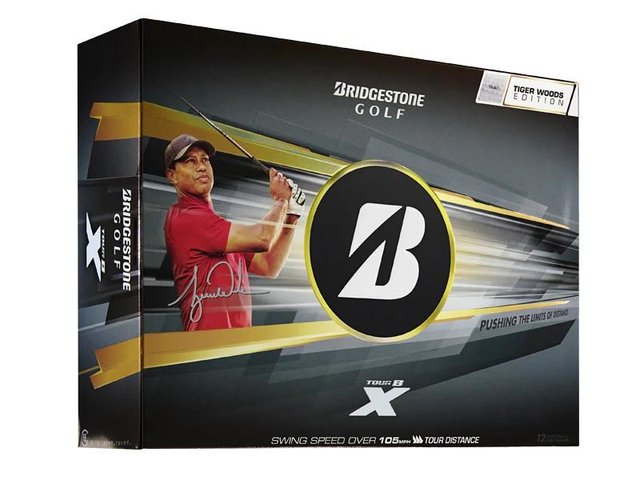
Two-piece against multi-layer
| Construction | Cover | Wedge spin | Feel | Who it suits |
|---|---|---|---|---|
| 2-piece | Ionomer | Low | Firm, clicky | Higher handicaps, distance, anyone losing several a round |
| 3-piece | Ionomer or urethane | Medium to high | Softer | The majority of club golfers |
| 4 or 5-piece | Urethane | High | Soft | Faster swings, players who want greenside control |
Two-piece balls are firmer, roll out more and last longer against a cart path. Multi-layer balls with a urethane cover spin more on short shots, feel softer off the putter and cost more, largely because urethane is expensive to make and scuffs more easily.
Compression and swing speed
Compression describes how much the ball deforms against the face. A low compression ball, roughly 40-70, is easier to compress at slower speeds and generally feels softer. High compression, 80 and up, gives more control and rewards speed.
The practical version: under about 85 mph with the driver, low compression will do more for your carry. Over 95 mph, a firmer ball will hold its shape and hold a line better. In between, play whichever feels right off the putter face - at that speed it genuinely is preference.
Spin: where it helps and where it hurts
Spin is not a single quality you want more of. Driver spin above roughly 3,000 rpm costs you carry and exaggerates every curve. Wedge spin is the opposite - it is what stops a ball on a firm green.
That tension is exactly what multi-layer construction is designed to resolve. If you slice, understand that a high-spin ball will make the slice worse; a two-piece will fly straighter simply because it curves less.
The rules, briefly
The R&A and the USGA set the same standards, so there is no separate tour specification you are missing out on. A conforming ball must:
- weigh no more than 45.93 g (1.620 oz) - there is no minimum weight;
- measure no less than 42.67 mm (1.680 in) in diameter - there is no maximum;
- be symmetrical in construction and behaviour;
- stay inside the tested limits for initial velocity and overall distance.
Manufacturers submit samples for testing every year, and the conforming list is published. Anything sold as a golf ball by a known brand is on it.
So what should you buy
Beginner. A two-piece ball, in a dozen, in yellow if you struggle to follow the flight. You will lose them, and a premium ball in a bush plays exactly as well as a cheap one.
Bogey golfer. This is where it starts to matter. A soft three-piece gives you enough short game spin to notice without punishing the slice. Try one dozen of a ball before committing to a case of it.
Low handicapper. Urethane, and then pick on flight window and putter feel rather than on the marketing. Test them from 40 metres and on the practice green, not off a driver.
What to take away
- The cover material matters more than the layer count - urethane spins, ionomer does not.
- Low compression under 85 mph, firmer above 95, preference in between.
- Driver spin and wedge spin are different problems; more is not always better.
- One ball model for a whole round, every round.
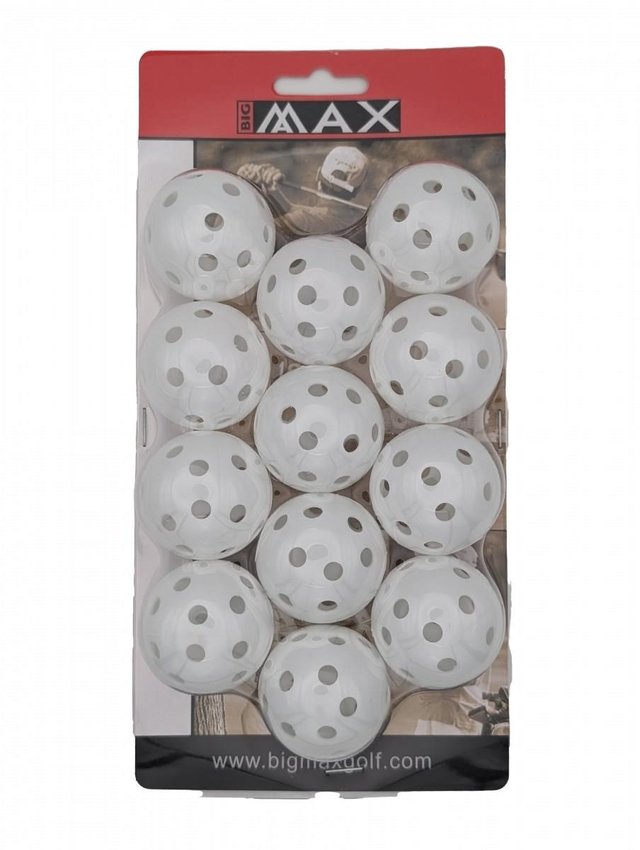
Compare models in new golf balls, save money on premium models with lake balls, or stock up on practice balls for the garden.