Kitting out a team is a logistics job, not a shopping trip. Get the range, the sizing and the timing right and it runs itself; get any one of them wrong and you are chasing a captain for a replacement polo the week of the away match.
What clubs and societies usually order
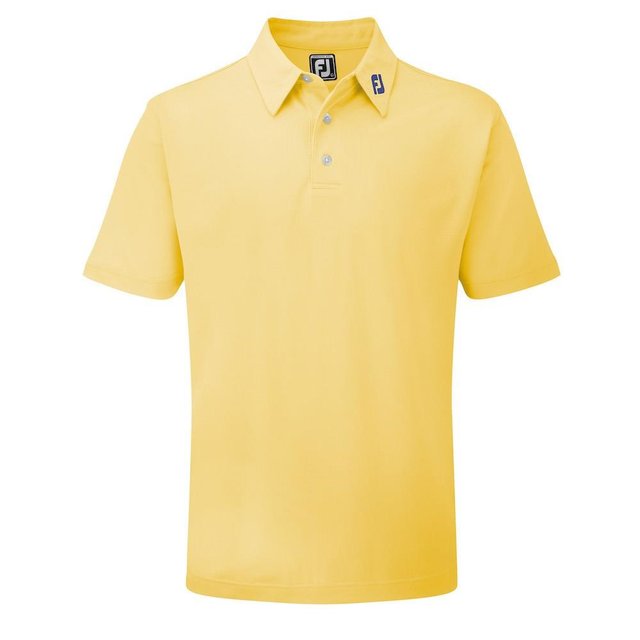
- Polo shirts - the core item, and the one everybody will actually wear.
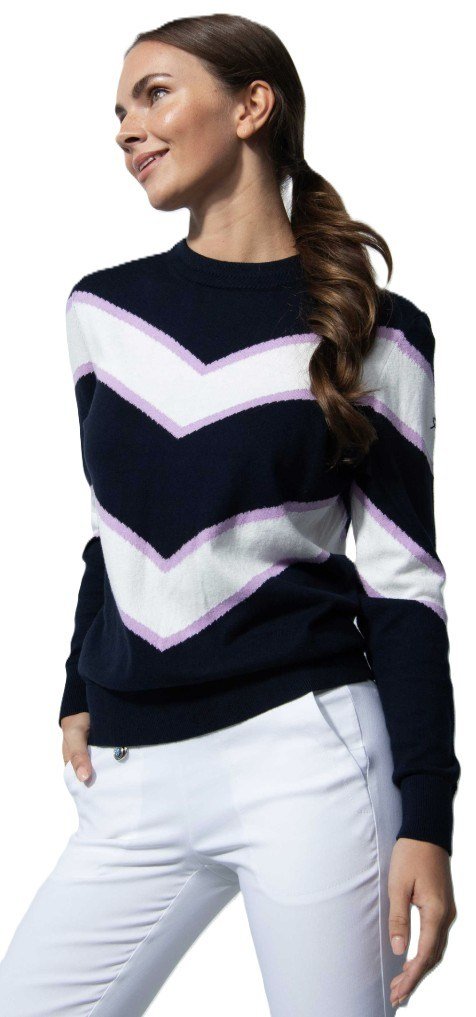
- Midlayers, sweaters and gilets - the second layer that carries a crest well and gets worn from March to October.
- Waterproof jackets - for match teams and for anyone playing competitively through the winter.
- Caps and visors - the cheapest way to make a group look like a team.
- Balls, towels, headcovers and ball markers - the natural choice for prizes and for a company day goody bag.
Pick a range that will still exist next season
This is the single most useful piece of advice on the page. Apparel ranges are refreshed every season and colours are dropped without notice, so a club that orders a discontinued shade in April is stuck with a two-tone team by September.
Choose a model that has been in the line for more than one season, in a core colour - navy, black, white, grey. Ask us to confirm availability for repeat orders before you commit the whole club to a colour.
Bear in mind too that dye lots vary. A polo ordered in spring and the same polo ordered in autumn can differ slightly in shade. If everyone must match exactly, the whole quantity has to be ordered in one batch - including the spares.
Run a sizing day
Nothing generates returns like collecting sizes on a spreadsheet. The reliable method:
- Get a sample set - typically S to XXL in the men's cut and XS to XL in the ladies' - of the exact model you are ordering.
- Put them out for an hour before a competition or a committee meeting and let people try them on.
- Write down what each person actually tried, not what they think they wear.
- Add 5-10 percent spares in the middle sizes for new members and for the person who spills red wine on theirs.
Ladies' cuts differ from men's by more than the label suggests, and juniors need measuring rather than guessing. Order both cuts rather than issuing small men's polos to a ladies' team.
Fabric, and where the logo goes
Not every garment takes decoration equally well:
- Piqué polos and knitted midlayers - the easiest surface to embroider, and the most durable result.
- Fine performance jersey - needs a stabilising backing behind the stitch, or the logo puckers after a few washes.
- Waterproof jackets - embroidery puts needle holes through a waterproof membrane. Use a heat-applied badge or a printed transfer, or accept the loss of the waterproof warranty.
- Caps - front panel embroidery is standard; check whether the cap has a structured front, which stitches far better than a soft one.
Work the timeline backwards
| Stage | Allow | What can go wrong |
|---|---|---|
| Confirm model, colours and availability | About a week | The colour you picked has been dropped for the new season |
| Sizing day and collecting the list | One to two weeks | Half the members guess instead of trying a sample |
| Digitising and sample stitch-out | About a week | The crest needs simplifying and has to be approved again |
| Production | Two to three weeks | One size arrives on back order |
| Delivery and checking | About a week | No time left to swap a wrong size before the match |
How an order normally runs
- Tell us the garments, the quantities and roughly when you need them, and send your logo - vector artwork (.ai, .eps or .pdf) if you have it.
- We confirm availability in the sizes and colours you want and quote the garments plus decoration.
- The logo is digitised once. That stitch file is kept, so repeat orders in future seasons cost less and look identical.
- You approve a sample or a stitch-out before the full run goes ahead.
- Production and delivery, in one consignment where possible.
Minimum quantities and set-up costs depend on the brand and the decoration technique, so ask for a quote against your actual list rather than working from a rule of thumb.
What to take away
- Choose a model that has been in the range more than one season, in a core colour.
- Order everything, including spares, in one batch so the shades match.
- Run a sizing day with real samples in both men's and ladies' cuts.
- Allow six to eight weeks, and never embroider a waterproof jacket.
Most club orders start from polo shirts and midlayers and sweaters - browse the full clothing range and send us the list.