Every major manufacturer builds the same three or four categories: a tour ball, a softer tour ball, a value urethane and a distance two-piece. Once you know which category you belong in, choosing the brand is the easy part.
The four categories every brand sells
- Tour urethane. Three to five layers, urethane cover, high wedge spin, firm to medium feel. The expensive one.
- Value urethane. Three layers, urethane cover, lower compression. Most of the short game performance for noticeably less money - and the fastest-growing part of the market.
- Soft ionomer. Two or three layers, very low compression, built for feel and for slower swings.
- Distance. Two-piece, ionomer, firm, cheap, hard-wearing. Straighter, because it curves less.
Who makes what
| Brand | Tour line | Softer / value line | Known for |
|---|---|---|---|
| Titleist | Pro V1 (3-piece), Pro V1x (4-piece, higher flight and spin) | AVX (lower flight, softer), Tour Soft, TruFeel, Velocity | The reference point. Consistency between dozens is its real selling point. |
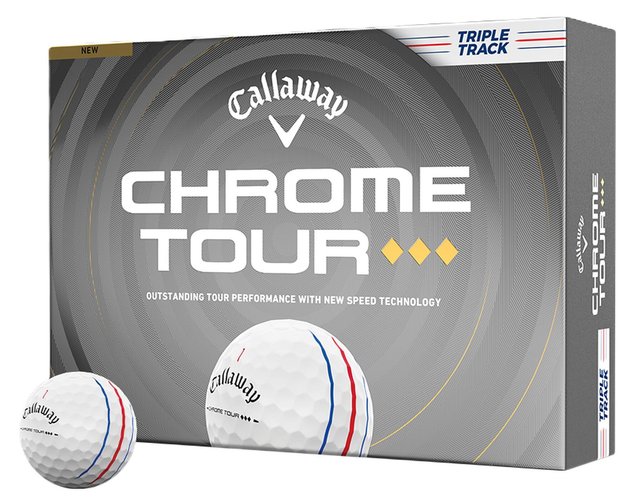
| Callaway | Chrome Tour, Chrome Tour X (firmer) | Chrome Soft, ERC Soft, Supersoft, Warbird | Supersoft is one of the lowest compression balls on the market. |
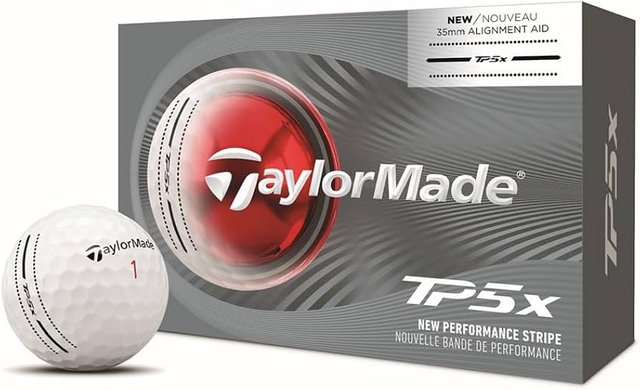
| TaylorMade | TP5 (5 layers), TP5x (firmer, higher flight) | Tour Response, Speed Soft, Distance+ | Five-layer construction, and the 35 mm alignment stripe. |
| Srixon | Z-Star (3-piece), Z-Star XV (4-piece), Z-Star Diamond | Q-Star Tour, Soft Feel, Distance | Q-Star Tour is the classic value urethane pick. |
| Bridgestone | Tour B X and XS (for faster speeds) | Tour B RX and RXS (under about 105 mph), e6, e12 Contact, Lady Precept | Splits the tour line by swing speed rather than by feel. |
| Wilson | Staff Model, Triad | Duo Soft | Duo Soft has been at the very soft end of the market for years. |
| Mizuno | RB Tour, RB Tour X | RB 566 and 566V | Smaller ball range, strong feel reputation. |
Line-ups get refreshed roughly every two years and names shift, so treat the families above as the map rather than a permanent catalogue.
Matching a brand line to your game
Beginner. Distance or soft ionomer - Velocity, Warbird, Soft Feel, Duo Soft, e6. Buy in dozens, buy them yellow if you lose sight of a white ball, and do not feel bad about it. A Pro V1 in the trees does nothing for your handicap.
Bogey golfer, handicap 18-28. The value urethane category was invented for you: Q-Star Tour, Tour Response, Chrome Soft, Tour B RX. You get most of the greenside bite of a tour ball at a compression that suits a swing speed under about 95 mph.
Single figures. Tour urethane, then choose on flight window and putter feel. Pro V1 against Pro V1x is a flight and spin decision, not a quality one; TP5 against TP5x is the same choice with different names. Test them from inside 50 metres and on the green.
A few practical notes
- Ladies-specific balls are usually just very low compression models with different graphics. If your swing speed is under 75 mph they are a sound choice; the label is not the point, the compression is.
- Custom printing. Most brands will print a name, a club crest or a logo on the ball. Useful for society days and for identification under the rules.
- Lake balls are graded on cosmetics, so premium models come back into circulation at a fraction of the price. While you are still losing one or two a round, they are the rational purchase.
- Unbranded bargain balls from outside the established makers vary between dozens far more than the majors do, which is exactly the thing you do not want when judging distance.
What to take away
- Pick your category first - tour, value urethane, soft, distance - then the brand.
- Value urethane is the sweet spot for most club golfers.
- Compare compression across brands; ignore the adjectives.
- Model families change every couple of seasons, so check the year on the box.
All the current families sit in new golf balls, and the same premium models second time round in lake balls.