A glove is not there to make you stronger. It is there so you can hold the club lightly and still trust it not to move - and grip pressure is one of the few things in the swing you can fix by buying the right thing.
Why you wear one at all
You wear a glove for every full shot and take it off to putt. Without one, most players compensate for a slipping grip by squeezing, and a tight grip kills clubhead speed and freezes the wrists. The glove buys you a lighter hold.
It goes on the lead hand - the opposite one to your dominant hand. Right-handed players wear it on the left, left-handers on the right. Some golfers wear two in the wet or in winter, which is entirely legal.
Cabretta leather
Cabretta is a fine hair sheep leather, thin and soft, and it remains the standard for feel. It moulds to the hand within a couple of rounds, and nothing else puts you quite as directly in contact with the grip.
The price is durability. Cabretta wears through at the heel of the palm and between the thumb and forefinger, and it does not like getting wet - repeated soaking and drying makes it stiff and shiny. A tour-grade cabretta glove worn every round is a monthly purchase, not an annual one.
Synthetic
Microfibre, polyurethane, polyester and nylon, often marketed as synthetic cabretta. It lasts substantially longer, costs less, handles rain far better and stretches less over time.
The feel is firmer and slightly less precise, which matters more to a low handicapper than to anyone else. For practice sessions, range work and wet rounds it is the sensible material.
Hybrid
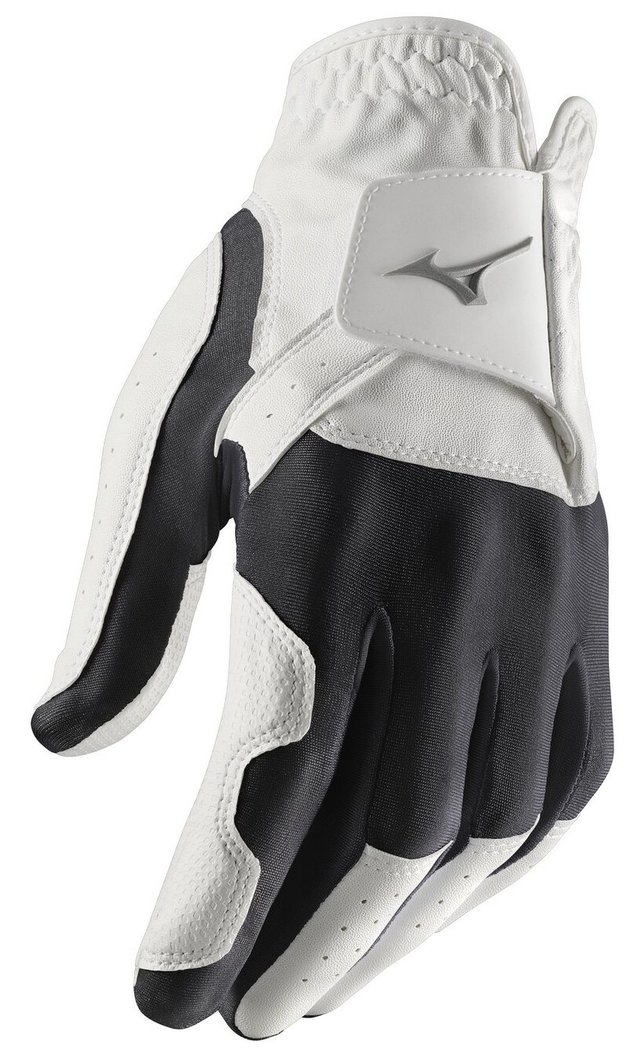
Cabretta in the palm and the thumb, where grip and feel matter, and synthetic across the back and the fingers, where movement and durability matter. Most gloves sold today are hybrids in some form, and for the majority of golfers they are the correct answer - close to leather feel, meaningfully longer lasting.
The bits nobody reads the label for
- Mesh panels between the fingers and across the knuckles ventilate the hand. In summer this is the difference between a dry glove on the 9th and a wet one.
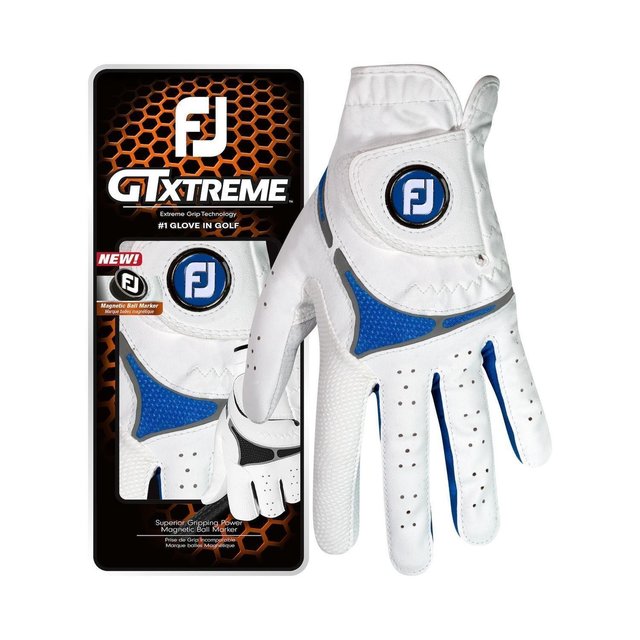
- Elasticated closure at the wrist with a hook and loop tab. The tab should close comfortably around the middle of its travel - if you have to stretch it to the end, the glove is too big.
- Reinforcement at the palm heel and the thumb. It is the first place any glove fails, and doubled material there adds rounds.
Material comparison
| Cabretta | Synthetic | Hybrid | |
|---|---|---|---|
| Feel and grip | Best | Firmer, less direct | Close to cabretta |
| Durability | Lowest | Highest | Middle |
| In the wet | Poor - stiffens as it dries | Good | Reasonable |
| Cost | Highest | Lowest | Middle |
| Best for | Competition rounds | Range, practice, wet weather | Everyday golf |
Rain and winter gloves
These are a separate category and worth owning. Rain gloves are sold in pairs and worn on both hands - counter-intuitively, the wetter they get the better they grip, because the material is engineered to work saturated. Winter mitts are insulated, also sold in pairs, and worn between shots rather than during them.
If you play from March through to November in northern Europe, a pair of each in the bag will save you more shots than most gadgets.
What to take away
- Cabretta for feel, synthetic for durability and wet weather, hybrid for everything else.
- Lead hand only: right-handed player wears it on the left.
- The wrist tab should fasten around the middle of its travel, not at the very end.
- Rotate two gloves and dry them flat - it roughly doubles their working life.
The full range is in men's gloves and ladies gloves.