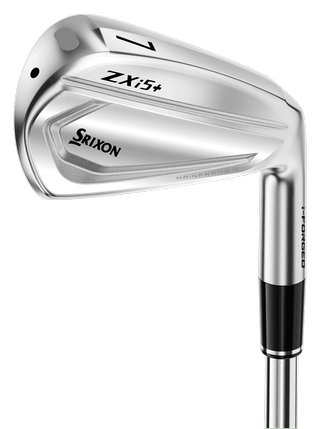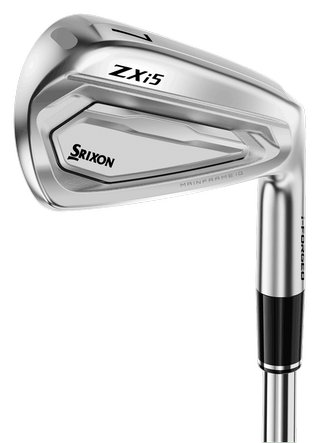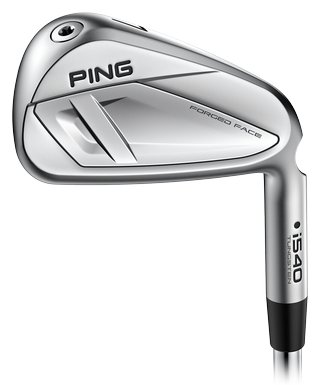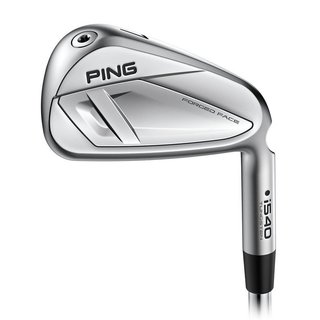



















Good irons help you repeatedly hit the distance you need and leave you with playable results after a poorer strike. When choosing, look at contact, flight and dispersion, not just the longest shot. This guide explains which heads to try, what to compare during a fitting and how to build a complete iron set.
Start with your shots; use handicap as background
Two players with the same handicap may need different irons. One loses strokes mainly through putting, while the other regularly misses the centre of the iron face. Handicap alone therefore cannot tell you how much help you need with contact or how high you can launch the ball.
Identify the main problem before choosing: are your normal shots too short, inconsistent in distance, wide of the target, or unable to hold the green? Note which irons you trust and which you avoid. This narrows the options more usefully than a label such as “for a 15-handicap player”.
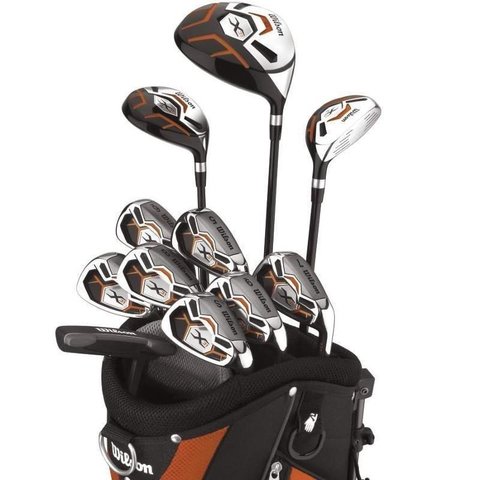
If you are starting out and also need woods, a putter and a bag, compare separate irons with golf package sets. Our first-set guide explains the difference. An “iron set” does not normally mean everything you need in your bag.
Cavity back, game improvement and players: what the labels mean
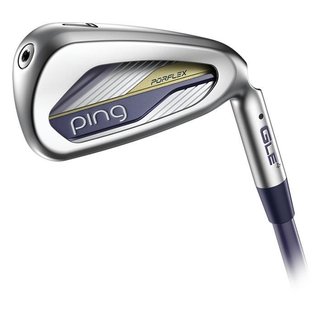
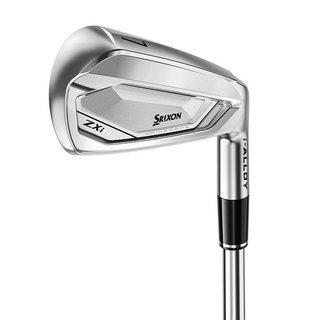
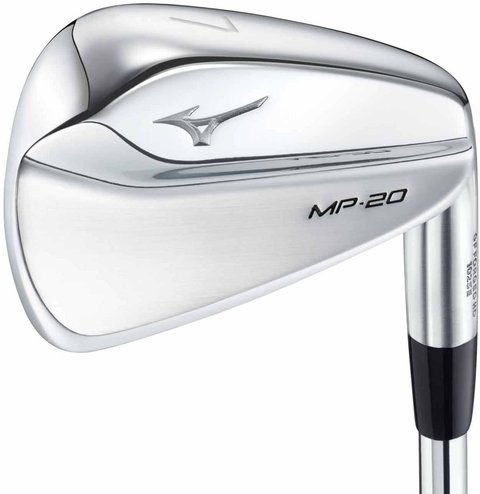
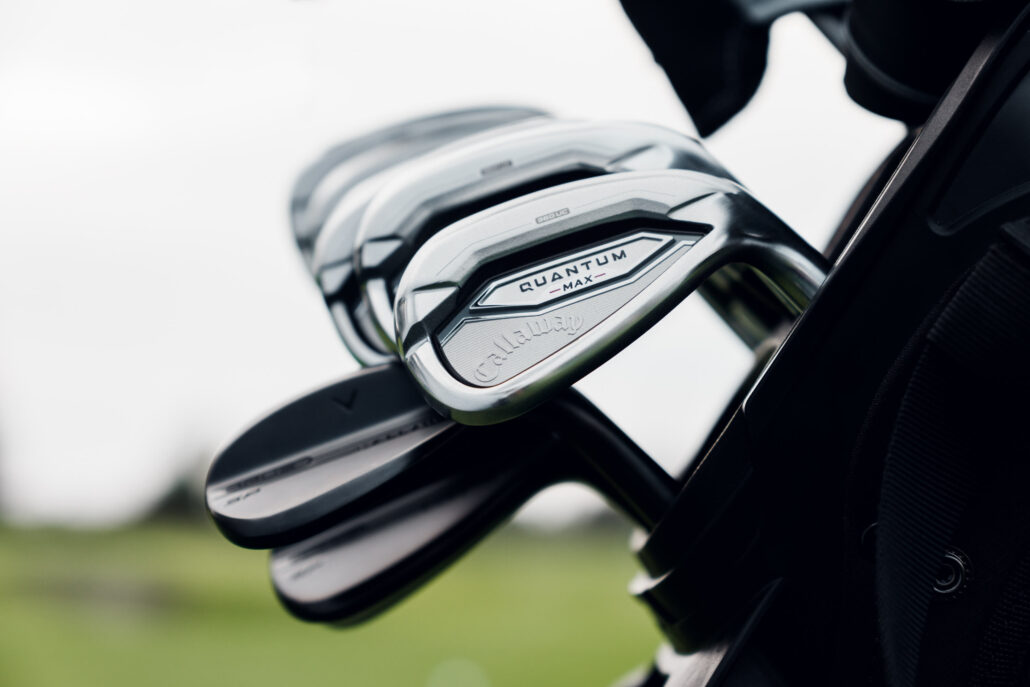
Cavity back describes construction with a cavity at the rear of the head. Game improvement and players describe intended use more than construction. These are not three separate types: a cavity-back iron can belong to either group. Hollow-body heads also exist, with their internal construction hidden from view.
Models designed to make the game easier often aim to preserve speed and height on less accurate strikes. Compact players models can offer a smaller head and a different impact feel, but “players” does not automatically mean blade. Manufacturers’ category names overlap.
| What you notice | What to include in the trial | How to decide |
|---|---|---|
| Contact covers much of the face; short misses often fail to reach the green. | A forgiving cavity-back or hollow-body head, usually in the game-improvement category. | Whether ordinary mishits lose less distance without increasing dispersion. |
| Contact is fairly repeatable, but useful distance or height is lacking. | Options that help launch, including players-distance designs and more loft. | Whether you gain useful flight and stopping ability, rather than just more roll. |
| You control contact and distance and prefer a smaller head. | A compact players cavity; depending on results, a muscle-back or blade. | Whether the smaller head still gives you enough confidence on less successful shots. |
| Short irons work well, but long irons fly low or similar distances. | A blended set with more forgiving long irons, or a hybrid. | Whether it creates a useful distance gap and a flight that can stop. |
The table selects candidates to try. No head design corrects every poor strike. “Forged” does not tell you how demanding an iron is either: manufacturers make both forged cavity-back and muscle-back designs.
Compare actual loft and the whole group of shots
Two 7-irons may not be comparable. In the 2025 Titleist T-Series, for example, the T350 7-iron has 29° of loft, whereas the T100 7-iron has 33°; the T100 6-iron has 29°. Hitting a new 7-iron farther does not by itself prove that the head suits you better.
Record the loft, length and shaft of the clubs tested. Similar loft, length and shaft help when comparing head designs, but you are still assessing the complete configuration. Our loft guide explains lofts and their progression.
| Measurement or observation | What it tells you | What to watch for |
|---|---|---|
| Carry: distance to first landing | How far the iron carries the ball through the air. | Do not compare one club’s carry with another’s total distance. |
| Side-to-side and front-to-back dispersion | The area covered by a group of normal shots. | An average alone can hide long and short misses. |
| Impact location | How repeatable contact is and what happens on your usual mishits. | Do not choose using only a few perfect strikes. |
| Flight height, spin and landing angle | Together they help assess whether the ball can stop on the green. | A longer, low shot with lots of roll may not improve the result. |
| Turf interaction | How the sole and ground contact work for you. | Where possible, check a mat-based result from grass too. |
Use the same ball model and target. Agree with the fitter which shots will count: ordinary mishits belong in the comparison, but faulty readings do not. There is no single correct height or spin for every player and every iron; assess them together.
The set must connect at both ends
Your longest iron earns its place when it flies usefully farther than the next club and you can control its flight. If the 5-iron flies almost the same distance as the 6-iron, compare a more forgiving model or a hybrid. A hybrid’s number does not guarantee the same distance as an iron bearing that number.
You do not have to use one model throughout. A blended set can combine compact short irons with easier long irons. Measure the transition between models so that adjacent clubs neither duplicate each other nor leave too large a gap.
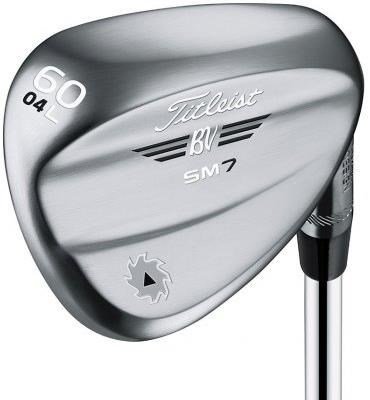
At the short end, establish your pitching wedge’s loft and carry before choosing further wedges. Your old sand wedge may no longer fit the progression after changing irons. Cover the distances you use on the course rather than buying as many clubs as possible.
Choose shaft, length and lie together
Compare shaft weight, flex and how well you repeat your movement. Graphite is not reserved for slow swings, and steel alone does not guarantee accuracy. A flex letter cannot replace trying a particular shaft. See our shaft selection guide for more detail.
Length should support a natural posture and repeatable contact. Height and wrist-to-floor measurements suggest a starting point, which you then check through shots. A taller player does not automatically need longer clubs; our club length guide explains the measurements.
Lie is the angle between the shaft and the ground with the head correctly positioned. Assess it with length and your delivery: an unsuitable lie can affect direction. Repeated misses left or right do not by themselves identify the required lie adjustment, because face angle and swing path can also cause them.
How to approach an iron fitting
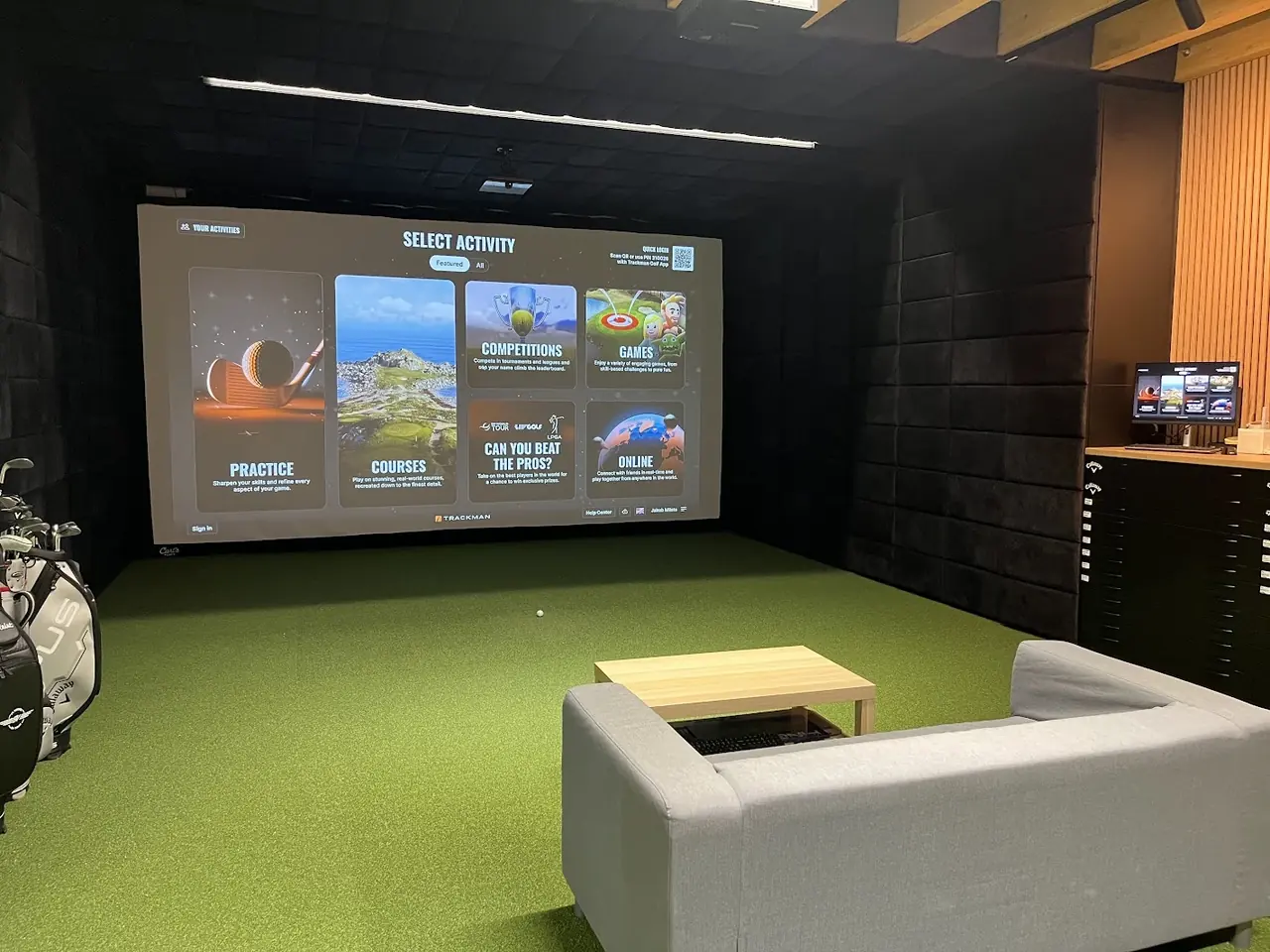
Take your current irons and a description of what you want to improve to a club fitting. The result should explain why the recommended configuration works for you.
- Establish a baseline. After warming up, hit your own mid-iron to provide a comparison. Record your usual misses too.
- Try different candidates. Compare suitable heads and shafts. For each combination, assess the shot group, contact, flight and feel.
- Refine the specifications. Check length, lie and grip size. When changing a setting, confirm that the results actually improve.
- Check the ends of the set. Try the long iron and the transition from PW to wedges. If a particular demo club is unavailable, agree how it can be checked.
- Write down the full order. Specify models and club numbers, exact shaft, flex, length, lie, any loft changes and grip. Mark anything that has not been tested.
What to check before buying
- Set contents: which irons and wedges you are buying, not just the total number of clubs.
- Dexterity and configuration: right- or left-handed, exact shaft and required dimensions.
- Transitions: what stays in your existing bag and which distances the new clubs will cover.
- Reason for changing: whether normal shots improve, or only the longest strike.
- Used irons: face, shaft and grip condition, plus actual specifications; previous adjustments may differ from the original manufacturer’s chart.
Summary
- Start with contact, distance consistency and flight; handicap is background information.
- Cavity back describes construction; game improvement and players describe intended use. Confirm suitability through testing.
- Compare actual loft and configuration, carry and dispersion across the whole shot group.
- Long irons should connect with hybrids and PW with wedges; blending models can make sense.
- Refine head, shaft, length and lie together and obtain a written specification.
Once you know the configuration you need, browse our golf irons. Find more topics in our golf guides.